


Insurance distribution doesn't need more disconnected technology. It needs a more connected experience.
Digital transformation poses a familiar challenge for insurance organizations: How do you modernize technology, improve efficiency, and deliver a better customer experience without disrupting the people and processes that make the business work?
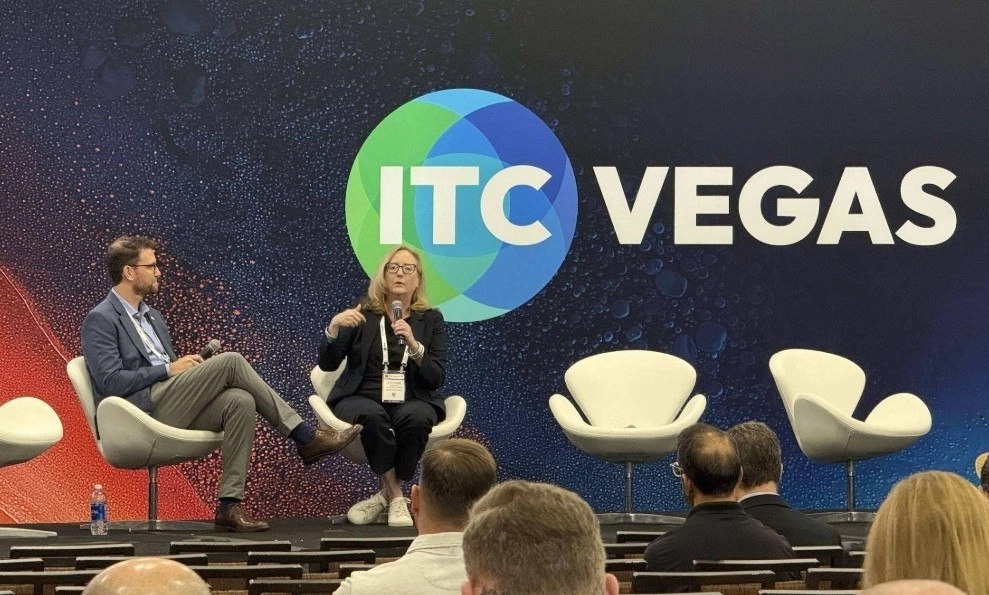
At ITC 2026, Stefanie Godfrey, Executive Director, Agency Product and Operations at USAA, and Nick Howard, Sr. Director of Product Marketing at bolt, tackled that question head-on, exploring five lessons from USAA's digital transformation journey and the role of Connected Distribution in modernizing insurance.
The central takeaway? Meaningful transformation starts by removing friction, not adding more tools.
1. Eliminate Agent Friction Before Adding Technology
Insurance professionals are expected to deliver seamless customer experiences while navigating complex technology behind the scenes.
For USAA, that complexity had become a barrier to consistency and efficiency.
Agents were working across multiple screens and systems, managing manual processes, and spending valuable time learning technology instead of deepening their insurance expertise or engaging with members.
The challenge wasn't simply that systems were outdated. The disconnected workflows made it harder for agents to do their best work.
USAA recognized that continually adding solutions wasn't solving the underlying problem. They needed to rethink how the technology worked together.
"Make sure you're solving for what people are asking for, not just providing solutions and forcing it. You have to solve for a real problem, and you have to take time to determine what that problem is."
- Stefanie Godfrey, Executive Director, Agency Product and Operations, USAA
The lesson: Before investing in another tool, identify where existing systems create unnecessary work. The most valuable modernization opportunities often begin with simplifying the everyday agent experience.
2. Meet Agents Where They Already Work
One of the guiding principles behind USAA's transformation was straightforward: Make it easier for agents to serve members without forcing them to navigate an entirely new way of working.
Through its partnership with bolt, USAA pursued a more connected distribution model, bringing carrier access, quoting capabilities, and workflow automation into its existing Salesforce environment.
Instead of moving between disconnected systems, agents get a more unified experience: easier access to information, fewer technology-related distractions, and greater workflow consistency.
USAA approached modernization incrementally, listening to feedback from agents, call observations, and team members with direct agency experience.
The lesson: Successful digital transformation isn't just about introducing new capabilities. It's about making those capabilities accessible, intuitive, and useful within the way people already work.
3. Measure Customer Outcomes, Not Just Efficiency
Efficiency is an important goal of insurance technology, but it shouldn't come at the expense of meaningful customer interactions.
USAA's experience offers a useful perspective on how organizations should evaluate the impact of connected workflows.
As agents gained access to more information within a consistent process, they were better positioned to focus on their members. Instead of using their attention to navigate systems, agents could listen more closely, identify additional insurance needs, and explore relevant coverage options.
That shift matters. A more efficient workflow doesn't mean every conversation should become shorter. Sometimes, the greater value comes from giving an agent the ability to have a more productive conversation.
For USAA, the objective was to make the technology less visible in the interaction so its people could remain focused on delivering a member-centered experience.
The lesson: Measure transformation through a broader lens. Alongside operational efficiency, consider workflow consistency, customer engagement, and agents' ability to identify and address customer needs.
4. Build a Connected Foundation Before Scaling AI
Connecting systems and simplifying workflows is an important step in modernization. It also creates the foundation for AI to solve real operational challenges rather than adding another disconnected layer of technology.
For insurance organizations, that might mean using AI to manage routine inbound interactions, improve follow-up consistency, or help agents prioritize opportunities that need their expertise.
AI doesn’t remove the human element from insurance distribution. It allows insurance professionals to focus on the conversations and decisions where they deliver the greatest value.
AI can build on the foundation of connected distribution and use integrated information and workflows to support more intelligent, efficient operations.
The lesson: Don't start with AI for AI's sake. Start with a specific workflow challenge, establish what success looks like, and use technology to make the experience better for both agents and customers.
5. Treat Transformation as a Journey, Not a Project
USAA's modernization journey demonstrates the importance of thinking beyond a single implementation.
By prioritizing integration within its existing technology ecosystem, USAA built an approach that can support continued innovation without forcing agents to adapt to disconnected tools. bolt’s Salesforce connector made that integration seamless, so new capabilities feel like a natural extension of the existing workflow.
For insurance organizations, the takeaway is to look past what a technology solution delivers today. Consider how it fits into your broader distribution environment and will support future needs.
The lesson: Modernization is an ongoing process. Build a connected foundation that can evolve as customer expectations, business priorities, and technology capabilities change.
The Future of Insurance Distribution Starts with Connection
As USAA's digital transformation shows, modernization isn't about adding more technology. It's about making technology work better together.
By connecting systems, simplifying workflows, and keeping agents at the center of the experience, insurers can create a stronger foundation for operational efficiency, better customer interactions, and continued innovation.
As AI creates new opportunities across insurance distribution, that connected foundation becomes even more important. Organizations that prioritize integration and usability today will be better positioned to adopt emerging capabilities without introducing unnecessary complexity tomorrow.
The future of insurance distribution isn't defined by how many tools an organization deploys. It's defined by how seamlessly those tools work together to support agents, serve customers, and drive growth.
That's Connected Distribution in action.